
 Lightbox Stands
 Non-Illuminated Stands
 Foldable Stands
 Fabric Tube Stands
 Banner Stands
 Counters
 Accessories
 Browse All Products
 Lightbox Fabric
 Non-Illuminated Fabric
 Foldable Fabric
 Stretch and Slip-On Fabric
 Blockout Fabrics
 Tablecloths
 Lumi
Lumi Trax
Trax Expolinc
 Vista
Vista
There’s substantial evidence that participating in an expo, trade show or a similar event is a necessary investment for any growing business. While it might seem like participating in these types of events is in the big brand domain, small business owners can also make a significant impact with the right approach.
Exploring ideas for an innovative exhibition stands design can help small businesses attract attention, strategically leveling the playing field and potentially getting a strong return on investment.
With the right exhibition booth design, even a modest budget can yield impressive results for a small business—and such a design is achieved by effectively collaborating with talented designers and marketers.
In this guide, we break down the fundamentals of taking exhibition stands design ideas from conceptualisation to execution, covering the essential steps along the way. We explore the intricacies of planning and collaboration while offering practical tips for creating visually appealing, highly functional exhibition displays.
Understanding Who Creates Exhibition Stands Designs

When skilled creatives work as a team, the result is visual treat that effectively communicates a brand’s message. Combining an artistic touch with a well-crafted strategy can truly bring an impactful exhibition pop-up stand to life. Understanding each member’s role design process makes or breaks this synergy.
Business Owner
As a business owner, you provide the vision, goals and budget. The strategic direction and constraints within which the team must operate lie in your hands, ensuring that the stand aligns with your business goals and budgetary limits. Your guidance and feedback are crucial to driving the project toward success.
Designer
The designer focuses on the look and structure of your stand, making sure it’s attractive and practical. With a professional background in visual arts, they bring the aesthetic expertise; that means they also consider factors like foot traffic and ergonomics to create structurally sound exhibition displays.
Marketer
Marketers handle the messaging and branding, ensuring your stand appeals to your audience. They study your competitors’ strategies as well as your audience’s behaviours and preferences, using that information to craft compelling messages that resonate and give your exhibition stand a unique edge.
Balancing Aesthetics and Functionality
Design Principles
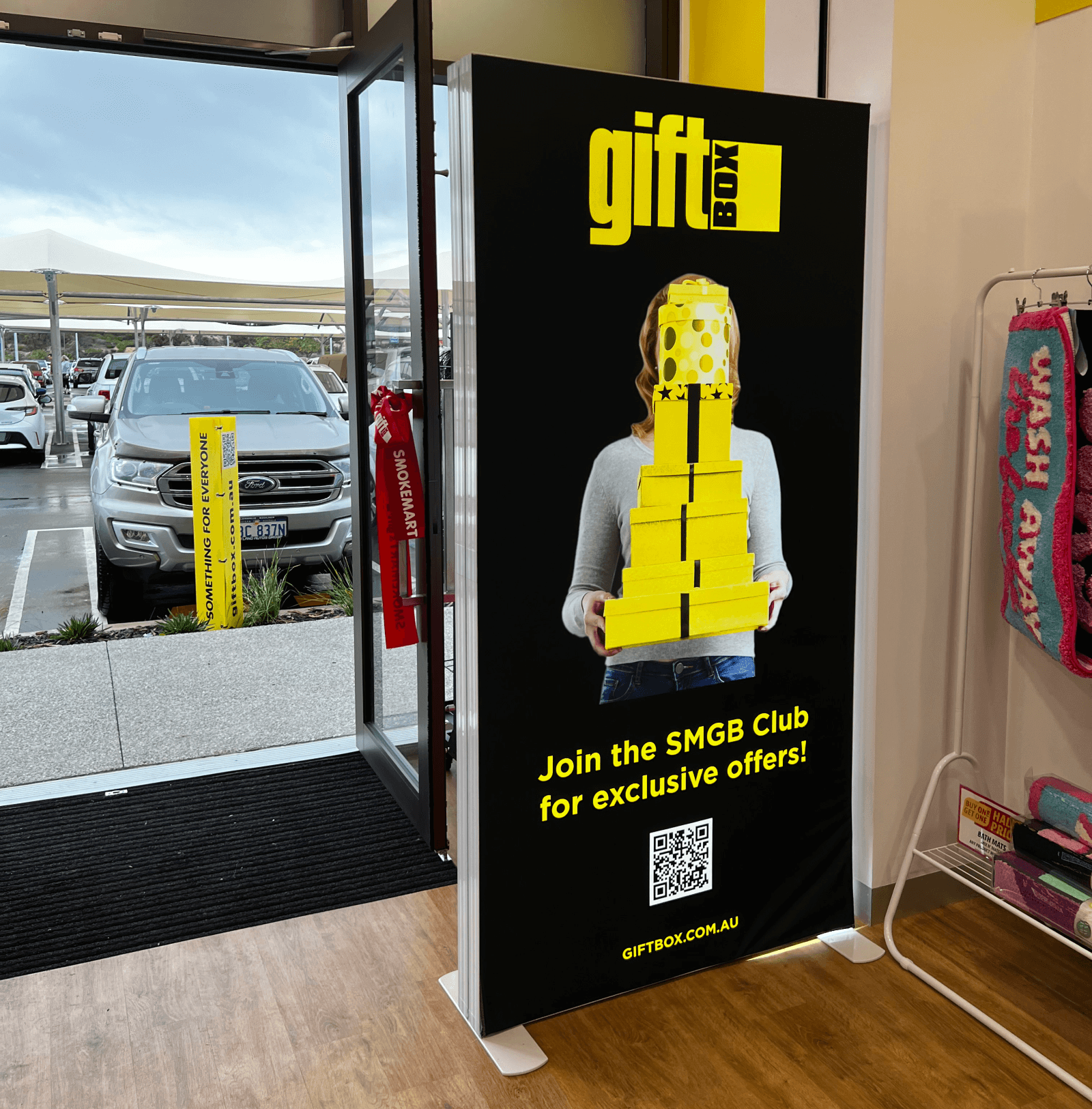
Balancing the look of your stand with your practical needs is important. Your designer can help you visualise how the colours, layout and other design elements work together to attract and engage visitors while keeping the space functional. Explore principles like negative space to avoid clutter, focal points to draw attention and branding styles to reinforce a consistent and strong message.
Form vs. Function
Balancing form and function ensures that your exhibition pop-up stand display looks impressive and performs effectively. For instance, you plan to participate in a handful of expos this year, so your custom exhibition stand must be easy to assemble and transport, too.
Consider a modular exhibition stands design, which allows you to reconfigure your display for various trade shows. Additionally, opting for a portable exhibition display stand can further enhance ease of transport, meeting both aesthetic and practical needs.
Aligning Visions on Exhibition Stand Design Ideas
Setting Clear Objectives
Before diving into design, set clear goals. Ask yourself, as a business owner, what do you want your exhibition stand to achieve? It could be anything from generating leads, showcasing a new product or promoting your brand to a specific demographic, as long as everyone working on this project understands the main objective.
Using Vision Alignment Techniques
To keep everyone on the same page about your exhibition booth design, there are several techniques you can use to achieve your shared goals.
- Workshops and Brainstorming Sessions: Hold brainstorming sessions so the team can present exhibition stand design ideas and get immediate feedback. Techniques like mind mapping or a SWOT analysis can help you explore all potential ideas and challenges.
- Mood Boards: Collect images, materials and samples that represent the desired look and feel of the stand. A visual tool like this helps the team understand each other’s creative vision.
- Concept Presentations: Designers may go the extra mile and develop detailed presentations with sketches, digital renderings and descriptions to facilitate clear communication and approval.
- Regular Check-Ins: Schedule regular meetings to review design progress, address concerns and keep the project on track. Use these meetings to give your feedback, suggest adjustments and ask questions. Remember to document these interactions with detailed minutes and share them with the team to ensure everyone is aligned and accountable.
Establishing Communication Channels
A successful project relies on effective communication. Choose tools that fit various aspects of the design process, like Slack or WhatsApp for messaging, Trello or Asana for tracking progress, Dropbox for file sharing and Miro for brainstorming. Additionally, Google Workspace and Microsoft 365 offer comprehensive suites of apps that can handle all these tasks and more.
Active Listening and Feedback
Listening to each other’s ideas and providing constructive feedback is also part of the whole process of designing excellent exhibition displays. Encourage open dialogue where all opinions are valued, preventing misunderstandings.
Addressing and Resolving Conflicts
Conflicts might arise from many factors into the design process of your custom stand, such as budget limits, creative adjustments or clashing brand interpretations. Recognising these potential issues early on can help you address them before they escalate into more significant problems.
Common Sources of Conflict
For instance, budget constraints often limit design options, which can restrict your creative choices and impact the outcome. Sudden design changes can lead to delays, affecting the overall timeline and even compromising the quality of the final exhibition display design. Additionally, differing opinions on design elements can result in inconsistent messaging, which may confuse your audience and dilute the effectiveness of your presentation.
Identifying and tackling these issues proactively can ensure a smoother design process and a cohesive and effective exhibition display.
Conflict Resolution Strategies
- Get to the Root: Understanding the root cause can prevent similar issues in the future. Use techniques like the Five Whys to delve deeper into the underlying causes of the conflict.
- Focus on Shared Goals: Identify and emphasise your common goals or interests in the project to shift the focus from individual differences to collective aims.
- Communicate: Keep lines of communication open and honest. Make sure everyone has a chance to express their views and feelings without interruption.
- Be Flexible: Be willing to compromise and adapt. Flexibility can help in finding mutually acceptable solutions.
- Mediate Objectively: If needed, bring in a neutral third party to mediate discussions. This mediator can facilitate productive dialogue and help reach a common ground.
- Escalate When Necessary: Establish a clear process for escalating unresolved issues and addressing them in a timely and structured manner.
- Know When to Let Go: When all efforts have been exhausted and it’s clear that resolution isn’t possible, it might be best to part ways and find others who align better with your vision for your custom stand.
The Takeaway
Understanding the fundamentals of the design process enables you as a small business owner to create unique and impactful exhibition stands tailored to your needs.
Collaboration and effective communication are keys to an exhibition display design that wholly embodies your brand. Implementing various strategies can help ensure your stand attracts attention and leaves a lasting impression.
Fostering a collaborative culture in your company can significantly benefit your projects and enhance your overall business performance. When team members feel valued and respected, collaboration naturally leads to excellent results. This inclusive environment encourages creativity and boosts morale, driving productivity up and your business toward success.
